OVERFILL PREVENTION
An overfill happens when an attempt is made to deliver too much oil to a tank. Overfills can occur for a number of reasons. Whilst they remain a frequent cause of oil-related, environmental pollution incidents, the good news is, they are also one of the easiest to prevent.
Estimated Reading Time: 4 minutes
British Standard BS EN 13616 and Irish Standard IS EN 13616 specify two forms of overfill prevention systems – Type A and Type B. Both systems are designed to reduce the risk of an overfill occurring at a fuel storage tank. Consistent with Oil Firing Technical Association (OFTEC) requirements, many - but not all - tanks supplied in the UK and Republic of Ireland today incorporate either a Type A or Type B system.
Type A and Type B Systems
Type A Systems
Type A devices (frequently called overfill prevention valves, or OPVs) are a mechanically activated valve built into an oil tank’s fill point. When the level of heating oil inside the tank rises to the maximum permissible, the valve moves to the closed position, discontinuing the supply of oil to the tank. Type A devices provide a number of benefits:
- They’re affordable;
- They’re suitable for use with almost any tank – irrespective of manufacturer or material of construction;
- They can be quickly and easily installed;
- They require little maintenance;
- As stand-alone units, they are not dependent upon fuel deliveries being made from a compatible tanker.
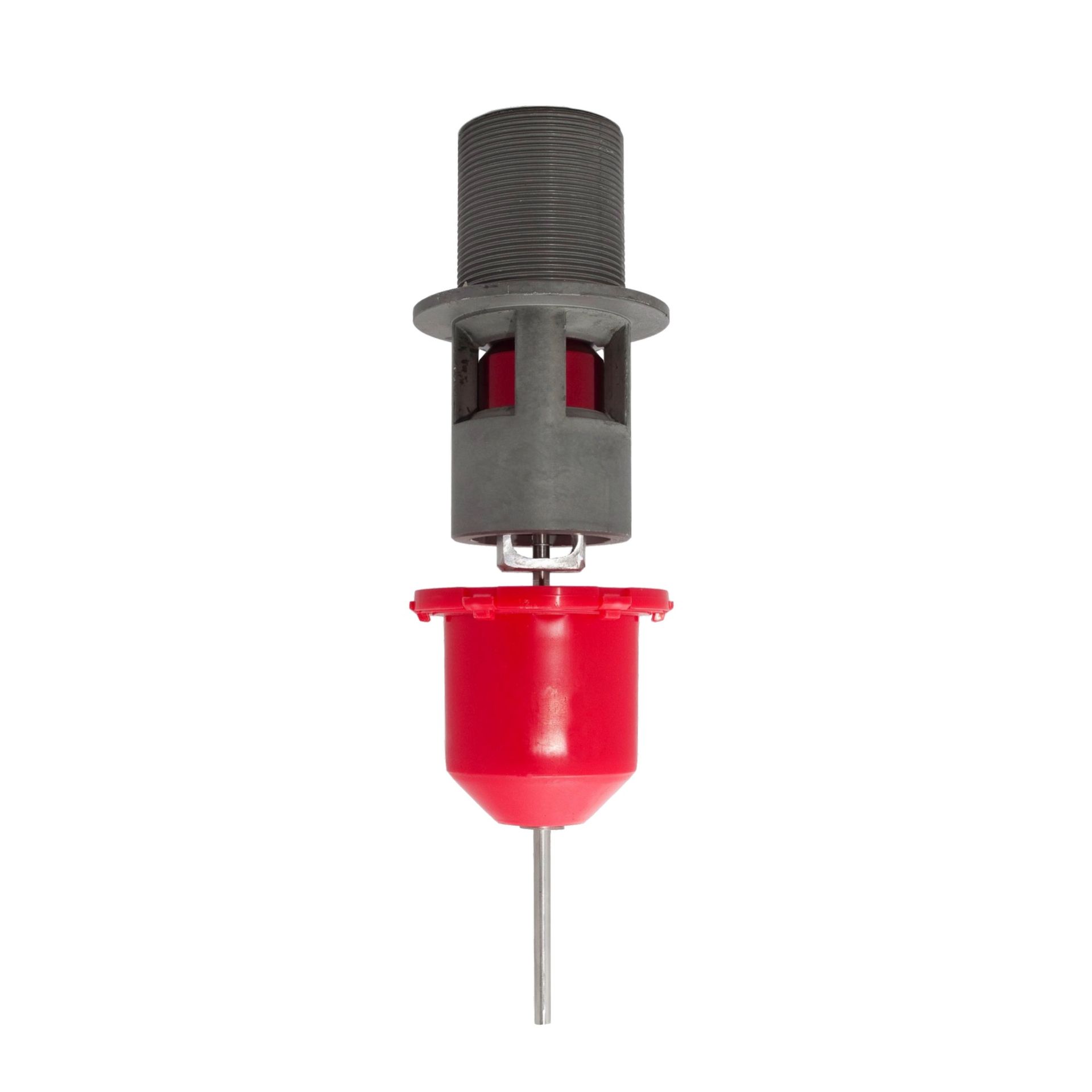
A typical Type A overfill prevention valve. Photo Credit: Kingspan
The biggest drawback of a Type A approach, is that it is not failsafe in operation. So, in the (very) rare event of product failure, a Type A device may cause the event it’s designed to prevent i.e. an overfill. And whilst instances of reported product failure are unusual, Type A devices can sometimes be easily bypassed on some makes and models of heating oil tanks e.g. by delivering fuel via a tank’s inspection point. Additionally, Type A systems are only approved for use within a specific fill speed range.
Nonetheless, a tank equipped with a Type A system, is certainly safer than a tank equipped with no overfill prevention system whatsoever.
Type B Systems
Type B systems typically comprise a probe mounted electronic thermistor, fitted to the tank. When delivering fuel, delivery personnel attach an electronic transceiver unit to the probe.
When the level of heating oil rises inside the tank and makes contact with the probe, the thermistor detects a change in temperature. The transceiver unit then sends a signal to the tank, which switches off the fuel delivery pump and discontinues refuelling. Type B devices offer a number of advantages:
- They are failsafe in operation. In the event of equipment failure, refuelling will be discontinued and a potential overfill averted;
- The tank mounted probe usually costs less than a Type A device;
- The probes are sealed units and require little maintenance;
- Probes can be quickly and easily fitted to almost any new or existing tank.
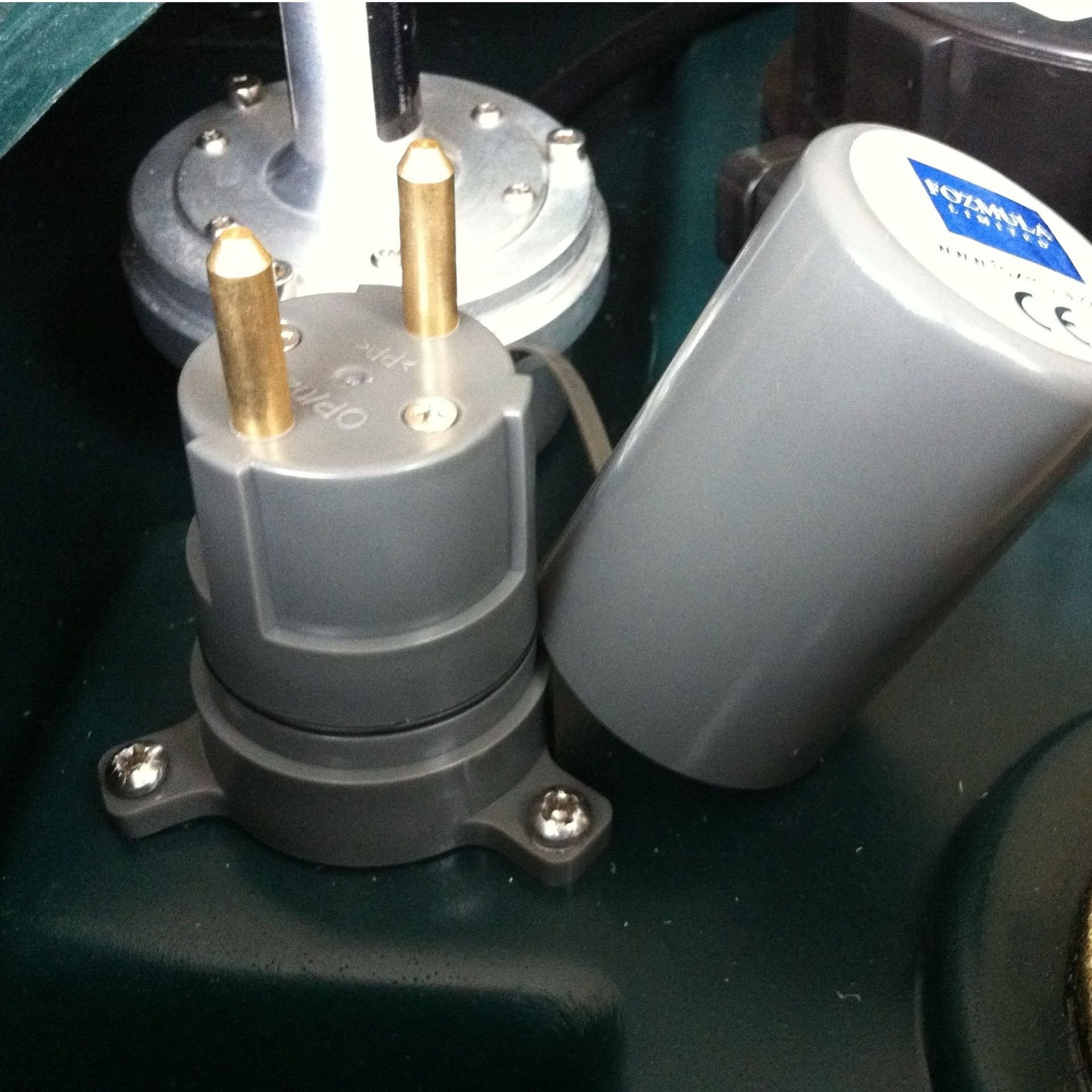
A Type B probe fitted to a 2,500 litres capacity Bunded Oil Tank Photo Credit: Author
The biggest drawback of the Type B system is that to provide overfill protection during refuelling, fuel must be dispensed from a compatible tanker. Otherwise, whilst the tank can still be filled as normal, the risk of an overfill will remain. And just like Type A systems, Type B systems can also be bypassed. Whilst suitably equipped road tankers can be found in many mainland European countries - where overfills have all but been eliminated - in the UK and Republic of Ireland, such tankers remain something of a rarity within the industry.
Type A or Type B?
Under current regulations and in the absence of a site-specific hazard, there is usually no legal requirement whatsoever to fit an overfill warning or prevention device to most domestic heating oil tanks. This said, it’s certainly good practice to fit some form of overfill prevention capability. So, when choosing a new tank – especially at a non-standard installation – it makes sense to first speak with your local APHC or OFTEC registered storage tank technician. They can help identify the most appropriate overfill prevention system for your tank. And they can also help identify any site-specific risks, that may require the mandatory installation of an overfill prevention or warning device.
Complementary Systems
Beyond Type A and Type B systems, a number of other systems and devices are available. These include audible and visual overfill warning alarms, together with handheld devices which operate in conjunction with an oil tank contents gauge. In themselves, these devices do not satisfy either the BS / IS EN 13616 standard for Type A or Type B systems, or the overfill prevention requirements contained within The Oil Firing Technical Association's (OFTEC) OFS T100 standard. However, when installed alongside either a Type A or Type B Overfill Prevention Device, they can provide a ‘belt and braces’ approach to overfill prevention.
Our Take...
At most domestic heating oil storage installations, there is no legal requirement whatsoever for any form of overfill prevention system to be fitted. So, in such a situation, we’d have no qualms accepting whatever the manufacturer has (or hasn't) fitted to our tank.
However, there are more challenging installations, where overfill prevention capability isn’t just desirable, but essential e.g. a storage tank connected to a remote fill point. Recognising the dearth of suitably equipped tankers in the UK and Republic of Ireland capable of operating Type B systems, at such applications we’d likely choose a Type A mechanical overfill prevention valve, and combine it with an audible and visual overfill warning alarm.
Header Photo Credit: Author